- Nov 2, 2024
Understanding Brand Identity and Its Crucial Role in Your Marketing Strategy
- Lovisa Woodson II
- Branding
In today's highly competitive marketplace, a strong brand identity is is crucial, going beyond a logo or a catchy tagline. It encompasses the visual elements, messaging, and values that make your brand recognizable and relatable. An effective brand identity is essential for differentiating your business from the competition and establishing a connection with your audience. In this article, we’ll explore the concept of brand identity, its components, and why it’s a critical element of your overall marketing strategy.
What is Brand Identity?
Brand identity is the collection of all elements that a company creates to portray the right image to its consumer. It includes the brand’s name, logo, color scheme, typography, and voice. These elements work together to communicate the essence of the brand and create a cohesive experience for customers.
Components of Brand Identity
Logo: A visual representation of your brand. It should be memorable, versatile, and reflect your brand's values.
Color Palette: Colors evoke emotions and convey messages. Choosing the right colors can significantly impact how your brand is perceived.
Typography: The style of text you use should align with your brand's personality. It contributes to brand recognition and can enhance readability.
Imagery: This includes photographs, illustrations, and graphics that represent your brand visually. Consistent imagery helps reinforce your brand identity.
Voice and Tone: The language you use in your messaging should reflect your brand’s personality. A friendly tone may resonate with one audience, while a more formal approach may suit another.
Brand Values and Mission: Your brand identity should communicate what you stand for and the value you offer to customers. This helps build trust and loyalty.
The Importance of Brand Identity in Your Marketing Strategy
Differentiation: In a crowded market, your brand identity sets you apart from competitors. It gives potential customers a reason to choose your brand over others. A strong brand identity helps communicate your unique selling proposition (USP) and can influence purchasing decisions.
Consistency: Consistency in branding builds trust and recognition. When customers see the same brand identity across different platforms—website, social media, advertising—they are more likely to remember your brand and feel comfortable engaging with it.
Emotional Connection: A well-defined brand identity creates an emotional bond with your audience. It allows customers to relate to your brand on a personal level. For instance, brands like Apple and Nike evoke strong feelings of innovation and empowerment, respectively, through their identities.
Increased Recognition: A memorable brand identity enhances recognition. The more often customers encounter your brand in a consistent format, the more likely they are to remember it when making purchasing decisions.
Customer Loyalty: Strong brand identity fosters loyalty. When customers feel aligned with your brand values and aesthetics, they are more likely to become repeat customers and advocates for your brand.
Perceived Value: A strong brand identity elevates your perceived value. Customers often associate quality with branding; a well-crafted identity can lead to a higher perceived value of your products or services.

How to Build a Strong Brand Identity
Creating a strong brand identity requires a strategic approach. Here are steps to consider:
Define Your Brand Purpose
Understand why your brand exists. What problems does it solve? What values does it stand for? This clarity will guide all your branding efforts.
Know Your Audience
Conduct market research to understand your target audience. What are their preferences, needs, and pain points? Tailoring your brand identity to resonate with your audience is crucial for success.
Develop Your Visual Identity
Logo Design: Hire a professional designer or use design tools to create a logo that encapsulates your brand’s essence.
Choose a Color Palette: Select colors that reflect your brand personality. Use color psychology to evoke the desired emotions.
Select Typography: Choose fonts that align with your brand’s voice. Ensure they are readable and work well together.
Create Brand Messaging
Craft your brand’s voice and tone. Develop a tagline that succinctly communicates your brand’s value proposition. Write a brand story that resonates with your audience and conveys your mission and values.
Implement Consistency
Consistency is key to effective branding. Use your visual identity and messaging across all platforms, including your website, social media, and promotional materials.
Gather Feedback
Engage with your audience to get feedback on your brand identity. Use surveys, polls, and social media interactions to understand how your brand is perceived and make adjustments if necessary.
Evolve Over Time
As your business grows and market trends change, your brand identity may need to evolve. Stay attuned to your audience and industry to ensure your brand remains relevant.
Integrating Brand Identity into Your Marketing Strategy
Once you have established your brand identity, it’s essential to integrate it into your marketing strategy effectively. Here’s how:
Content Marketing
Your brand identity should inform your content marketing strategy. Create blog posts, social media content, and videos that reflect your brand values and aesthetics. For example, if your brand promotes sustainability, share content that highlights eco-friendly practices and initiatives.
Social Media Strategy
Use your brand identity to guide your social media presence. Choose platforms that align with your target audience and ensure your visuals and messaging are consistent across all channels. Engage with your audience authentically to build a community around your brand.
Advertising Campaigns
When running ads, ensure that your visuals and messaging align with your brand identity. A cohesive advertising strategy enhances brand recognition and can lead to higher conversion rates.
Customer Experience
Your brand identity should extend to customer interactions. Train your team to communicate in a way that reflects your brand voice. Create an enjoyable and memorable customer experience that reinforces your brand values.
The Role of Brand Identity in SEO and Digital Marketing
A strong brand identity can positively impact your SEO and digital marketing efforts. Here’s how:
Increased Click-Through Rates (CTR): A recognizable brand identity can improve CTR on search results and ads. Users are more likely to click on familiar brands.
Brand Searches: A well-established brand identity can lead to more brand searches, improving your website’s authority in search engines.
Social Shares: Strong branding often leads to higher social media engagement and shares, which can drive traffic to your website and improve your overall online presence.
Backlinks: A recognized brand identity can attract more backlinks as other websites reference your brand as a credible source of information.
Conclusion
Brand identity is a vital aspect of any marketing strategy. It not only differentiates your brand but also builds trust, recognition, and loyalty among your audience. By investing time and resources into developing a cohesive and compelling brand identity, you can create a lasting impression that drives your business forward.
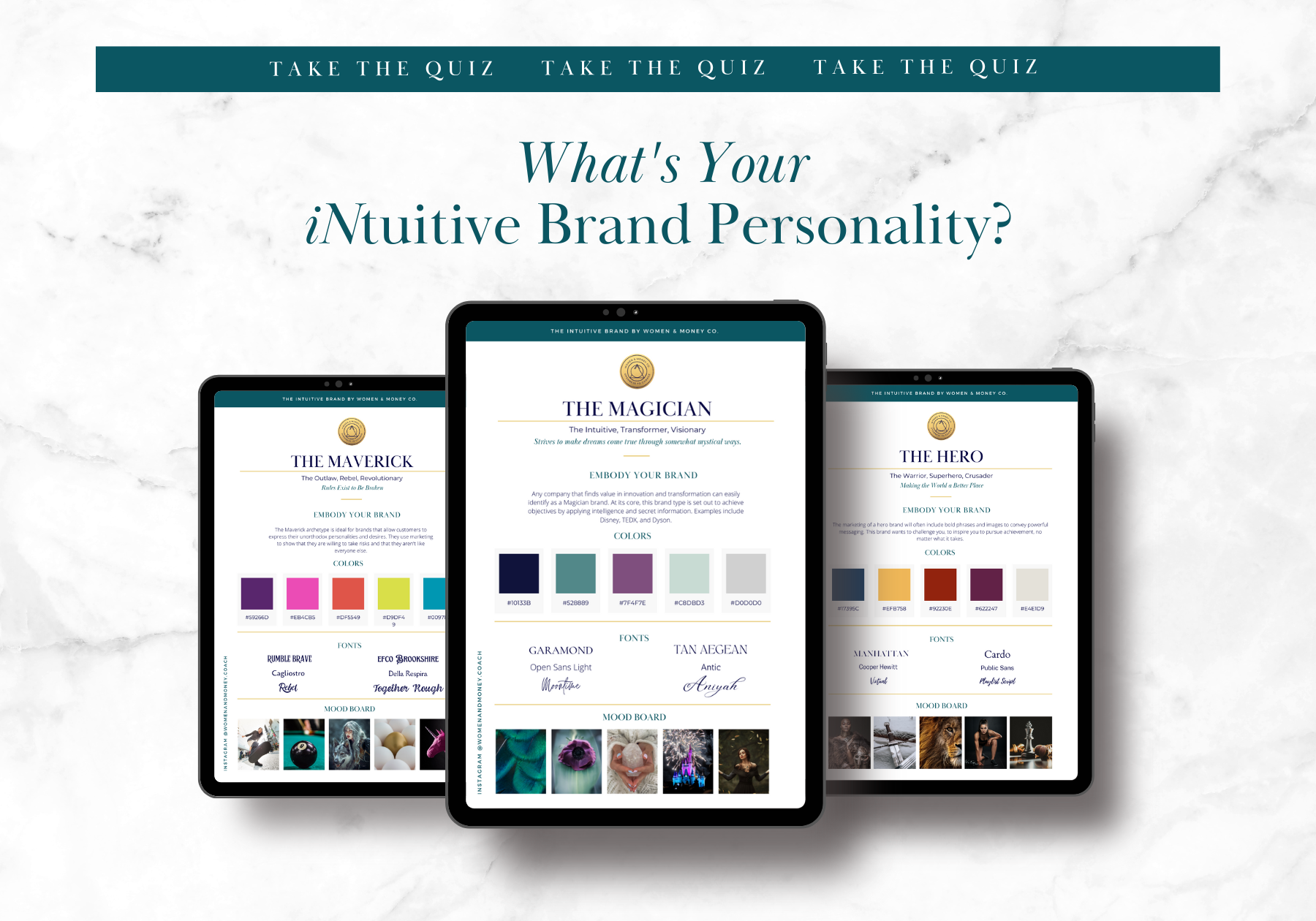
To help you create and refine your brand identity, consider exploring The Intuitive Brand Blueprint ebook bundle. This comprehensive resource offers practical tools and strategies for developing an authentic brand that resonates with your audience and aligns with your business goals. Embrace the power of brand identity and watch your marketing efforts thrive!
Special Offer!
Take the Intuitive Brand Personality Quiz to receive a special price on The Intuitive Brand Blueprint today and start building a brand identity that stands out in the marketplace.